
Quirky Fell shares practical, down-to-earth guidance on quirky hillwalking and outdoor adventures in the uk fells for readers across the UK.
- 0123456789
- Angle Bd Abdelmoumen & rue soumaya, Résidence
- [email protected]
Quirky Fell shares practical, down-to-earth guidance on quirky hillwalking and outdoor adventures in the uk fells for readers across the UK.
 By Eleanor Whitaker
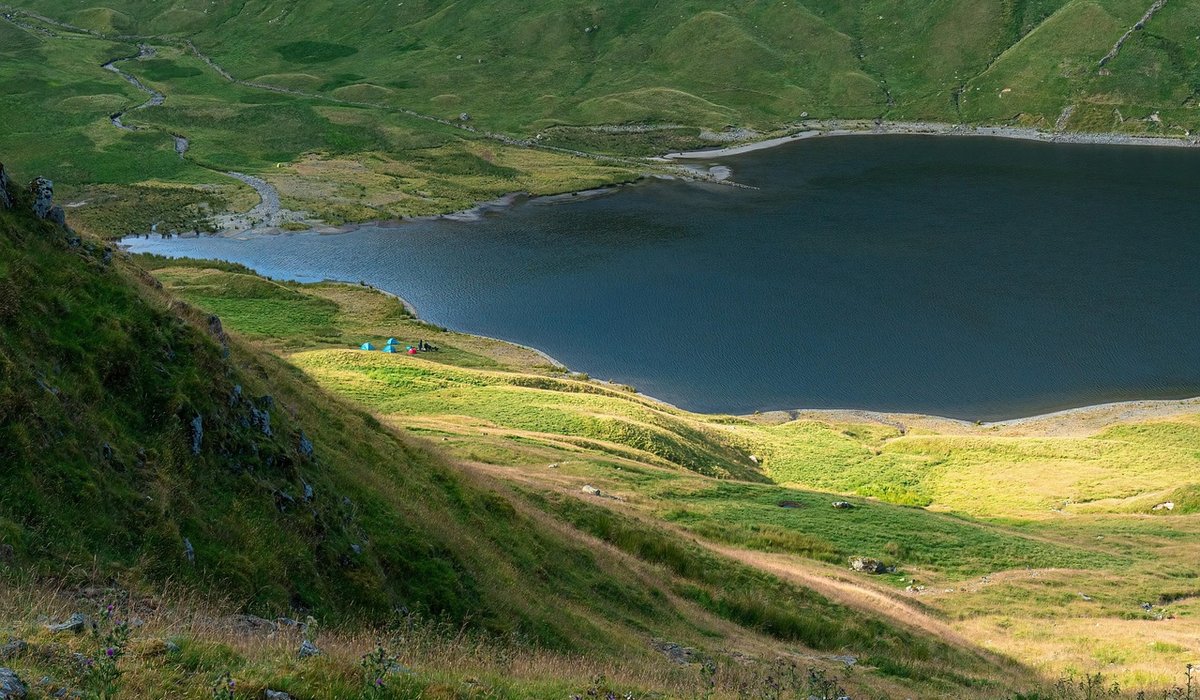
There's a particular kind of joy in a long June evening on the fells — the light going gold, the curlews calling, the whole ridge to yourself. There's also a particular kind of misery in waking the next morning with a dozen midge bites on your ankles and a tick buried behind your knee. Neither has to ruin your summer. A bit of forethought about where you walk, when you walk and what you wear will see off most of the trouble.
Midges and ticks are different beasts with different habits, and it pays to understand both. Midges are weak fliers that hate wind and dry air, so they're a problem of still, humid evenings in sheltered glens and beside lochs and tarns. Ticks are patient ambush predators that climb to the tips of grass and bracken, wait for something warm to brush past, then latch on and feed quietly for days. One you can mostly dodge by choosing your ground; the other you have to check for afterwards.
Wind is your single best midge deterrent, and it costs nothing. On a still day, a steady five miles per hour of breeze is enough to keep midges grounded, so plan routes that keep you on exposed ridges, open moorland tops and wind-funnelled valleys rather than deep, tree-lined glens.
Exposed skin is an invitation, and the old advice about long sleeves and trousers genuinely works. Lightweight, tightly woven fabrics are best — midges can bite through loose knits, and ticks will happily crawl underneath a baggy cuff.
A good repellent applied to skin and, crucially, to clothing edges — cuffs, collars, waistbands and sock tops — makes a real difference. Look for products containing DEET or picaridin for ticks, and remember that permethrin-based treatments for clothing (not skin) are especially effective against ticks and last through several washes.
Reapply after sweating heavily or after a river crossing, and don't forget the back of your neck and your ankles. Beyond chemicals, the old tricks still hold: a smouldering fire or a smoky stove will clear a pitch, and sitting in the open with a breeze on your face beats huddling behind a rock every time. If you're eating outside, keep moving — midges find a stationary target far more easily than a walking one.
Midges are irritating; ticks are a health concern. They can carry Lyme disease, and the risk rises the longer a tick stays attached, so a proper check at the end of every walk through rough ground is not optional.
Shake out your tent, gaiters and rucksack before packing them away, and give your walking trousers a hot wash after a day in bracken. Keep a tick tool in your first aid kit and a head net in your pack all summer — they weigh grams and save days. And if you're walking with a dog, check them too, especially around the ears, eyes and paws; they pick up far more ticks than we do.
None of this needs to make you paranoid. The fells in summer are glorious, and a breezy ridge at midday is about as good as Britain gets. Choose your ground, cover your skin, check yourself over a brew back at the car, and you'll spend your evenings admiring the view rather than scratching at your ankles.


We are not gonna make spamming
