
Quirky Fell shares practical, down-to-earth guidance on quirky hillwalking and outdoor adventures in the uk fells for readers across the UK.
- 0123456789
- Angle Bd Abdelmoumen & rue soumaya, Résidence
- [email protected]
Quirky Fell shares practical, down-to-earth guidance on quirky hillwalking and outdoor adventures in the uk fells for readers across the UK.
 By Gareth Prosser
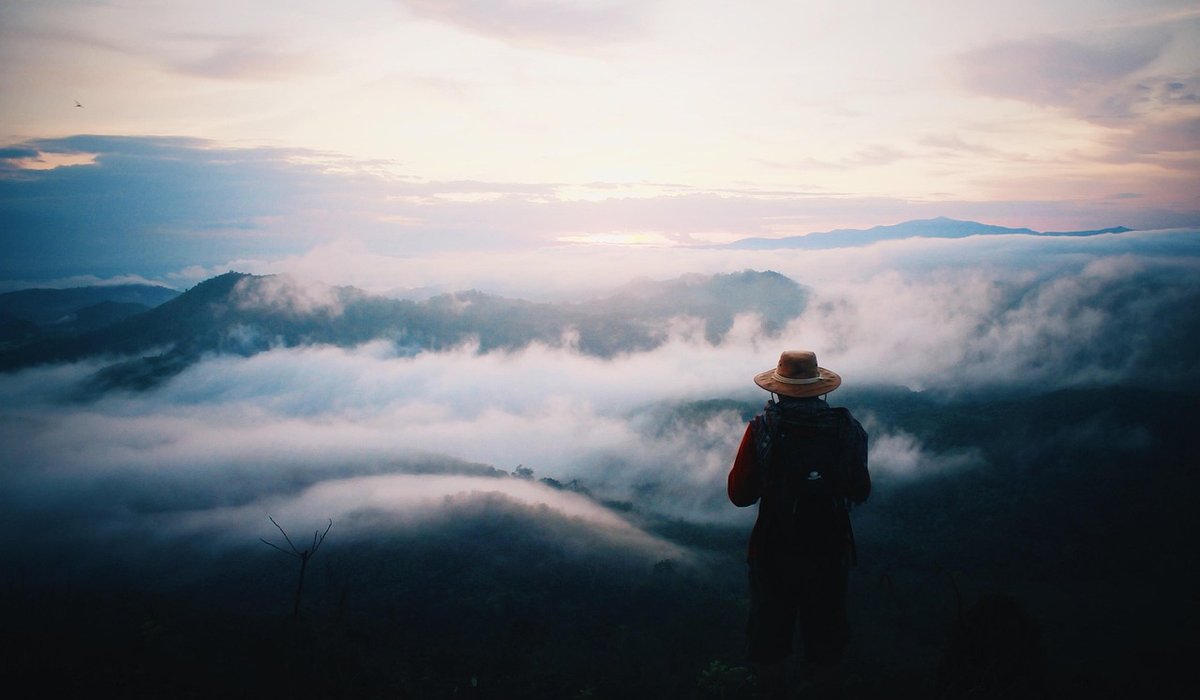
The fells have a talent for making a mild forecast look optimistic. You can set off from a valley car park under blue sky, reach a ridge at 700 metres and find yourself in driving drizzle, sideways wind and visibility down to twenty paces. That is not a reason to stay at home; it is simply the reason a well-chosen day pack matters more here than almost anywhere else. The kit below is not about conquering anything. It is about staying comfortable, making good decisions, and getting back to the car with a grin rather than a story you would rather not tell.
Most mountain rescue teams will tell you the same thing: the majority of call-outs involve walkers who were dressed for the car park rather than the summit. A bit of forward planning fixes that, and it does not require a second mortgage or a pack the size of a wardrobe.
A waterproof jacket and trousers are the foundation of any fell day. In the Lake District, Snowdonia or the Scottish Highlands, rain is not an occasional inconvenience but a routine part of the experience. A shell that keeps out wind and rain means you can keep moving, keep warm and keep enjoying yourself when the weather turns.
Look for something with taped seams, a hood that stays up in a gust, and enough room to wear over your other layers without feeling like a sausage. Trousers matter just as much as the jacket. Cold, wet legs drain enthusiasm faster than almost anything else, and full-length side zips make them easy to pull on over boots when the first squall arrives.
Walking generates heat; stopping kills it. The moment you sit down for lunch on a breezy col, your body starts to cool quickly, and that is when a spare layer earns its place in your pack. A synthetic insulated jacket is ideal — it keeps working when damp, weighs very little and squashes into a stuff sack. A fleece or lightweight mid-layer underneath your shell adds warmth while you are moving.
The golden rule is to avoid cotton next to your skin. It soaks up sweat, loses all insulation and dries painfully slowly. Merino wool or synthetic base layers wick moisture away and stay comfortable for hours on end.
Phones are brilliant, and plenty of walkers navigate with them happily. But batteries fade in the cold, screens crack, and signal vanishes in exactly the places you are most likely to need it. A paper map and a compass do not need charging and do not care about the weather. Carry both, and know how to use them.
Choose a map at the right scale for the terrain — 1:25,000 for detailed ground, 1:50,000 for broader route planning. Keep it in a clear case so rain does not turn it to pulp, and fold it to the section you need so you are not wrestling with a sheet of paper in a gale. If you are using a phone as well, treat it as a backup rather than the primary tool.
Hillwalking burns more energy than most people expect, especially with a heavy pack or a steep ascent. Eat little and often rather than saving everything for one big lunch, and choose food that does not freeze solid or turn to crumbs at the bottom of your bag.
Water is easy to underestimate. On a warm day you might drink two litres or more, so carry more than you think you need and know where refills might be available. A flask of something hot is a genuine morale booster on a cold, misty summit.
Even on a summer day, a head torch belongs in your pack. A twisted ankle, a wrong turn or simply a slower descent than expected can turn a daylight walk into a dusk one. A head torch leaves both hands free, and a spare set of batteries weighs almost nothing.
Lay everything out the night before and ask yourself three questions: can I stay dry, can I stay warm, and can I find my way? If the answer to all three is yes, you are ready. Weigh your pack and be honest about what you actually need — a day pack of twenty to thirty litres usually does the job, and a well-fitted rucksack with a decent hip belt makes a surprising difference to tired shoulders.
Tell someone where you are going and when you expect to be back. Check the mountain weather forecast before you set off and be willing to change your plan. The fells reward preparation with some of the finest days out in Britain, and a modest, well-chosen set of kit is all it takes to make sure the only surprise is the view.


We are not gonna make spamming
