
Quirky Fell shares practical, down-to-earth guidance on quirky hillwalking and outdoor adventures in the uk fells for readers across the UK.
- 0123456789
- Angle Bd Abdelmoumen & rue soumaya, Résidence
- [email protected]
Quirky Fell shares practical, down-to-earth guidance on quirky hillwalking and outdoor adventures in the uk fells for readers across the UK.
 By Gareth Prosser
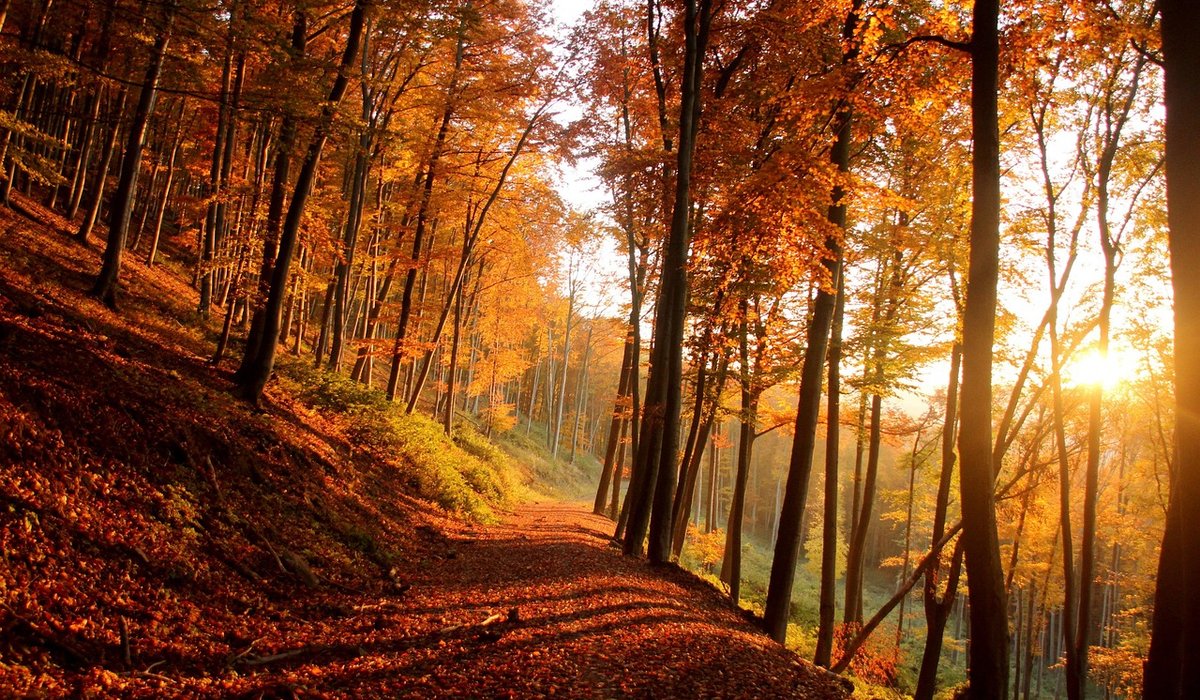
A drystone wall that has stood for two hundred years can be brought down by a single careless boot. A patch of montane moss that took decades to establish can be scuffed away in an afternoon. The British hills feel ancient and immovable, but the truth is that they are quietly fragile, and the pressure on them has never been greater. Every weekend, thousands of us head for the Lakes, Snowdonia, the Cairngorms, the Pennines and the Yorkshire Dales. That is a wonderful thing. It also means that the small decisions we make on the hill — where we put our feet, what we carry out, how we cross a wall — add up to something significant.
Leave no trace is not about tiptoeing around feeling guilty. It is about practical habits that keep these places worth walking in.
Most hillwalkers would never drop a crisp packet. But the litter that accumulates on popular summits is rarely the obvious kind. It is the banana skin tucked behind a cairn, the apple core thrown into the heather, the orange peel left on a summit shelter. All of it is litter, and all of it should go back down the hill in your rucksack.
There are two good reasons. The first is that food waste attracts scavengers — foxes, crows, gulls, rats — and rewards them for hanging around the places where ground-nesting birds are trying to raise chicks. The second is that fruit peel and cores can take two years or more to break down in cold upland conditions, and in the meantime they look exactly like what they are: rubbish. A summit cairn surrounded by rotting orange peel is a sad sight.
The awkward items people forget about:
The old saying still holds: if you carried it up full, you can carry it down empty.
The walls that stitch the fells together are working boundaries, not climbing frames. Drystone walls are held up by nothing but gravity and the skill of the person who built them, and a single top stone dislodged by a scrambling walker can start a slow collapse that costs a farmer days of repair. Use the stile, the ladder, the kissing gate or the gap that has been provided. If there genuinely is no crossing point, retrace your steps and find the path that takes you round.
The same goes for fences, gates and signage. Climb over a gate at your peril — hinges and wire are easily bent. If you open a gate, shut it behind you unless it is clearly propped open. Livestock grids, water troughs and feeders are not stepping stones.
This is the principle people find hardest, because it feels counterintuitive. Surely spreading out reduces damage? On fragile upland ground, it does the opposite. Once a path has worn down to bare peat or loose scree, that scar will keep widening unless feet stay on it. Walking beside the eroded line creates a second braid, then a third, and within a season you have a fifteen-metre-wide mudbath where a single trodden line used to be.
So where erosion is already a problem — and on busy routes up Scafell Pike, Snowdon, Ben Lomond and Kinder Scout, it certainly is — stay on the worn line, even if it is muddy, rocky and unpleasant. That is the path doing its job. Repair crews, volunteers and national park teams spend enormous effort rebuilding these routes with stone pitching, drainage and revegetation. The least we can do is walk on their handiwork rather than around it.
Where the ground is intact and there is no path, the guidance flips: spread out, avoid cutting corners on switchbacks, and never take a shortcut down a scree run or a grass bank just because it is quicker.
Between March and July, the uplands are a nursery. Curlew, golden plover, ring ouzel, skylark and meadow pipit all nest on the ground, and their eggs and chicks are almost impossible to spot until you are nearly on top of them. A dog off the lead quartering through heather can clear a hillside of nests in an hour without meaning any harm at all.
Peat is the other seasonal consideration. Saturated blanket bog is extraordinarily slow to recover — a boot print can remain visible for years — and dry peat is flammable. Fires, disposable barbecues and even a stray spark from a stove in a tinder-dry spring are a serious risk.
None of this requires heroics. Carry a spare bag for rubbish, keep the dog close when birds are about, use the stile rather than the wall, and accept a bit of mud on the eroded path. Do those four things and you are already doing more than most. The fells have given walkers a great deal over the years; leaving them exactly as we found them is a modest way of saying thank you.


We are not gonna make spamming
