
Quirky Fell shares practical, down-to-earth guidance on quirky hillwalking and outdoor adventures in the uk fells for readers across the UK.
- 0123456789
- Angle Bd Abdelmoumen & rue soumaya, Résidence
- [email protected]
Quirky Fell shares practical, down-to-earth guidance on quirky hillwalking and outdoor adventures in the uk fells for readers across the UK.
 By Eleanor Whitaker
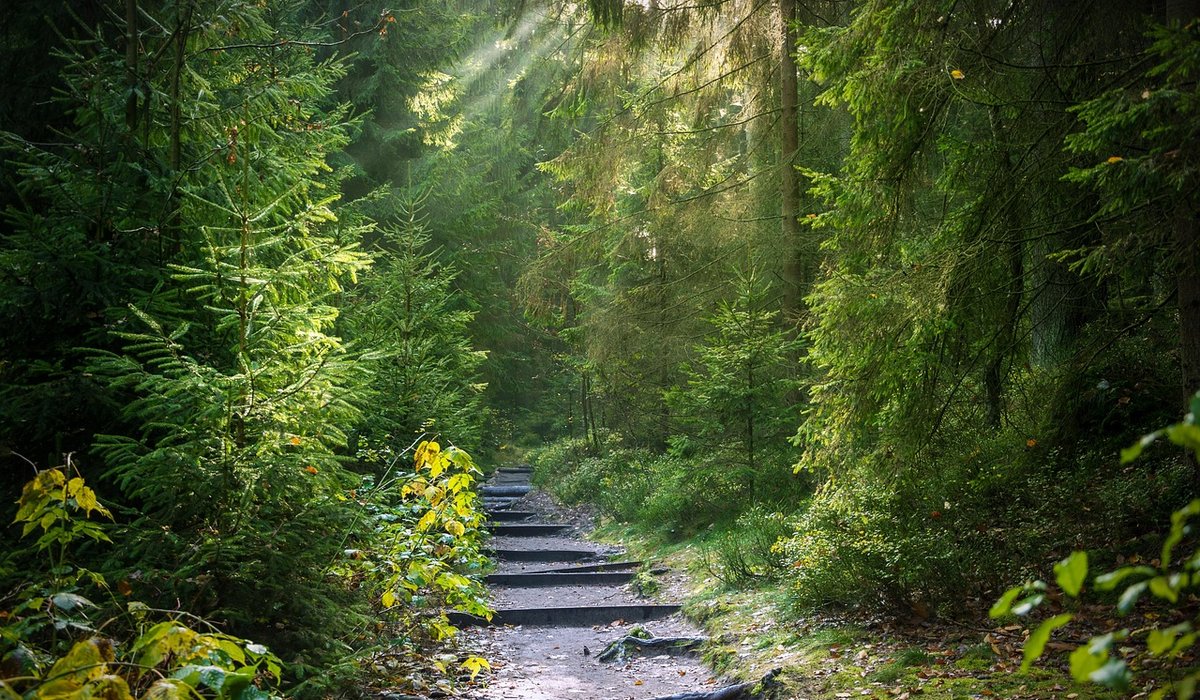
There is something quietly addictive about heading into the fells alone. No committee decisions, no waiting for someone to tie their laces, just you and the rhythm of your boots on peat and rock. You can chase a quirky little top that nobody else bothers with, stop for a flask of tea at a crumbling sheepfold, or spend twenty minutes watching cloud shadows race across a corrie. But that freedom comes with a simple trade-off: you are the only person making decisions. Confidence does not arrive by magic. It is built from small, repeatable safety checks that become second nature, so that when the mist drops or your legs start to grumble, you can act calmly rather than freeze.
Before you leave the house, tell someone you trust exactly where you are going. Not just “the Lakes” or “the Cairngorms” – give them a grid reference for the start, your intended route, and your estimated finish time. If you change your mind on the hill, that is fine, but a written plan gives searchers a place to start. A quick text or a note on the kitchen table works. For longer or more remote days, leave a copy in your rucksack too.
If you are going solo, agree a check-in time. A simple “text me by 8pm or call mountain rescue” is not dramatic – it is sensible. And if you do get delayed, a quick message from a summit with signal saves everyone a sleepless night.
Your phone is a useful tool, but it is not a magic wand. In many fells, signal is patchy or non-existent. Carry a paper copy of emergency numbers in a waterproof pocket, and save them in your phone under ICE (In Case of Emergency). That includes your partner, a friend, and your local mountain rescue team’s non-emergency number if you have it. For a real emergency, dial 999 (or 112) and ask for police, then mountain rescue. If you have no signal but can find a landline, that works too. In some areas, you can text 999 if you have registered your phone in advance – check before you go.
Quirky but practical: write your emergency contact and any medical notes on a small card and tape it inside your rucksack lid. If you are unconscious, that card speaks for you. Also, consider carrying a whistle – six blasts a minute is the international distress signal. It costs almost nothing and weighs less than a cereal bar.
Navigation confidence is not about being perfect with a compass. It is about being calm when you are not sure. That calm comes from regular, low-stakes practice. On familiar routes, try navigating by map and compass only, even when you know the way. Set a bearing to a small feature – a boulder, a stream junction, a strange little cairn – and walk it. Count your paces. Time your legs. Then check your answer. Do this in good weather so that when the cloud comes in, your hands and eyes already know what to do.
Do this until you can make a decision without your heart racing. The goal is not to eliminate mistakes – it is to notice them quickly and correct them without drama.
Confidence alone is built on boring, repeatable habits. Eat and drink before you feel hungry or thirsty. Layer up before you get cold. Turn around at a set time, not when you feel exhausted. If you are unsure, stop, shelter, and have a snack. A five-minute pause with a brew often turns a panicky moment into a clear plan. Talk to yourself if it helps – “right, I am here, the path is there, I will take a bearing and walk for ten minutes.” That inner voice is your most portable safety tool.
Finally, remember that solo hillwalking is meant to be enjoyable. The quirks – the odd signpost that points nowhere, the bothy with a visitors’ book full of tall tales, the summit view that makes you whoop out loud – are the rewards. With your route shared, your contacts handy, and your navigation practised, you can head out alone and feel something better than bravado: genuine, quiet confidence.


We are not gonna make spamming
