
Quirky Fell shares practical, down-to-earth guidance on quirky hillwalking and outdoor adventures in the uk fells for readers across the UK.
- 0123456789
- Angle Bd Abdelmoumen & rue soumaya, Résidence
- [email protected]
Quirky Fell shares practical, down-to-earth guidance on quirky hillwalking and outdoor adventures in the uk fells for readers across the UK.
 By Gareth Prosser
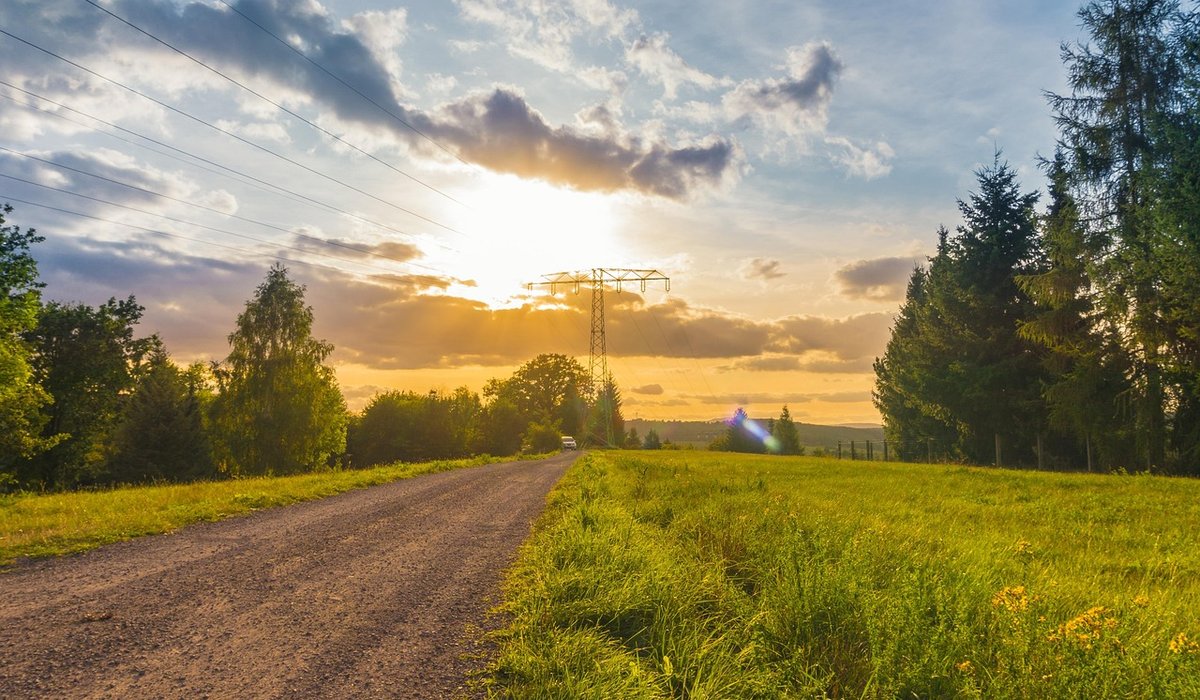
Most hill days are built around a summit. This one starts at the other end: choose the inn first, then find a route that drops you at its door with mud on your boots and the light going soft behind the fells. It sounds indulgent, but it is genuinely practical. Knowing exactly where you finish gives you a fixed point to navigate towards, a reason to keep the pace up on the final descent, and something to look forward to when the cloud comes down and the wind bites on the tops.
A good fire walk is usually between 6 and 12 km, with enough climbing to earn the first drink but not so much that you arrive wrecked. Aim for two to four hours of walking. Any longer and you will be watching the clock rather than the view.
Retracing your steps is the enemy of a satisfying day. Design a loop that sends you out on one path and brings you home by another — ideally climbing one way and descending on a gentler line.
A few reliable shapes to look for on the map:
Work out distance and total ascent before you go. On fell ground, allow roughly an hour for every 5 km, plus an extra hour for every 600 m of climbing, then add a third for stops, photographs, bad ground and the inevitable debate about which way the path actually goes.
Not every pub with a fire in the guidebook has one lit on a wet Tuesday in February. Check before you commit.
The classic mistake is arriving at the inn soaked, steaming and miserable. A small dry bag at the bottom of your rucksack solves it.
In midwinter in the fells the sun can be gone by half past three. Plan to be off the high ground an hour before sunset and at the inn as the light fails. That usually means starting by ten, which means an early breakfast and a firm grip on the group.
Summer flips the problem: you have light until ten at night, but a car park may close, the kitchen may shut at nine, and midges on the lower path can be ferocious at dusk. Carry a midge net on western and Highland routes, and do not linger on damp ground when the wind drops.
Weather decides everything. If the cloud is down to the valley and the wind is gusting on the tops, drop the summit, keep the loop low and make the day a gentler one. The fire will still be there.
Arrive with boots as clean as you can manage, ask where to leave wet kit, and keep wet dogs off the upholstery. Do not drip over the fire irons or hog the best seats for hours if the pub is filling up. Order food if you are staying, thank the staff, and do not be the group that arrives ten minutes before closing expecting the full menu.
And remember the walk back. If you have had a drink, that last mile on a country lane in the dark needs care: take a torch, walk facing the traffic where there is no pavement, and keep the group together. The best fire walk is the one you can repeat next weekend.


We are not gonna make spamming
