
Quirky Fell shares practical, down-to-earth guidance on quirky hillwalking and outdoor adventures in the uk fells for readers across the UK.
- 0123456789
- Angle Bd Abdelmoumen & rue soumaya, Résidence
- [email protected]
Quirky Fell shares practical, down-to-earth guidance on quirky hillwalking and outdoor adventures in the uk fells for readers across the UK.
 By Thomas Ashworth
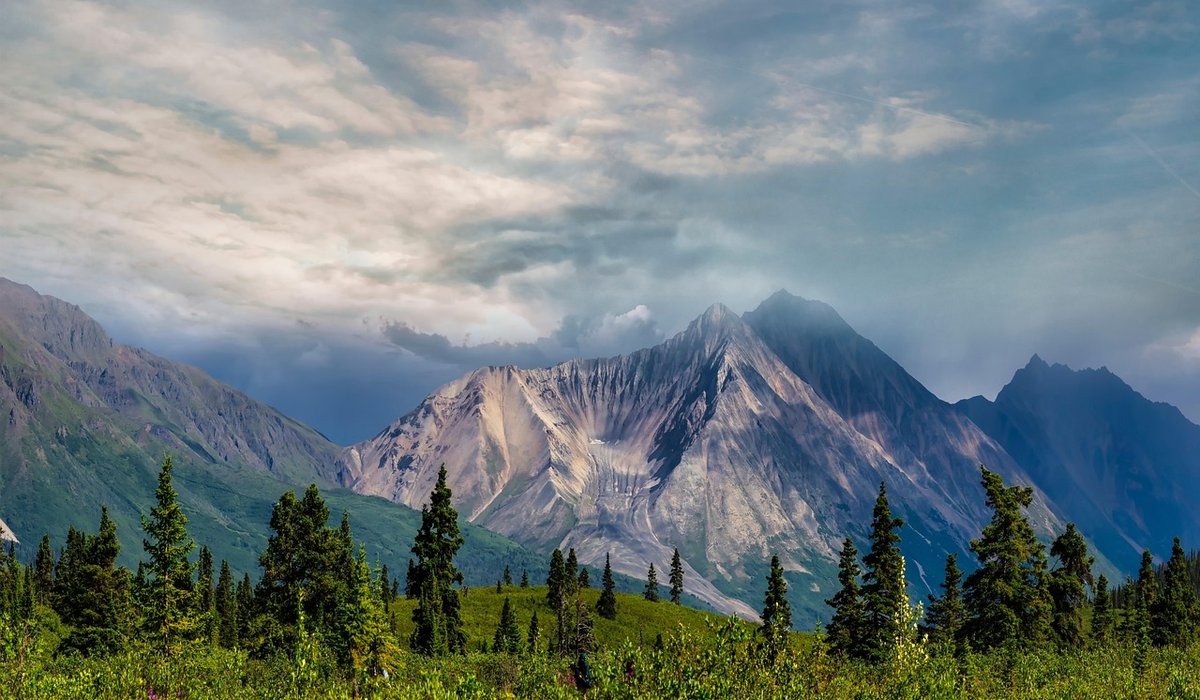
Ask experienced fell walkers where they have had their closest call and you will often hear the same answer: a steep, wet, grassy slope on the way down. Rock and scree get the dramatic reputation, but damp Lakeland turf or a rainswept flank in the Scottish hills can be as greasy as a wet slate pavement. Grass offers very little friction once it is soaked, and the moment you add gravity and tired legs, the ground stops being an inconvenience and starts being a hazard.
The real trouble is that descents are when we switch off. You have won the summit, the hard work is done, and your concentration drifts. Add a heavy pack, tired quads and a greasy line of turf, and a small slip can quickly turn into a long, uncontrolled slide towards whatever is waiting below. The good news is that almost all of this is manageable with a handful of habits worth practising.
On steep, slippery grass, the instinct is to lean forward and take long steps. Both work against you. A long stride puts your foot well ahead of your centre of mass, so your heel lands in front of you and skids. Instead, shorten your stride dramatically and keep your feet underneath your hips, almost like a shuffle rather than a walk.
Keep your knees bent, your hips sunk and your ankles soft, so your legs act as shock absorbers rather than rigid poles. Your torso should stay upright or lean very slightly back from the hips, which keeps your weight over the middle of your foot instead of out in front of it. Let your arms hang low and a little out to the sides; wide, loose arms are a free balance aid.
Fit your pack properly before you drop off the top. Tighten the hipbelt, pull the shoulder straps in and check nothing is swinging. A load that shifts sideways is a load that will push you over.
Trekking poles come into their own here. Lengthen them by roughly five to ten centimetres compared with your flat-ground setting, so you can plant them comfortably below you. Place a pole before you commit your weight to the next step, setting the tip a little ahead and out to the side, and keep your grip loose. Do not lean your full bodyweight onto a pole: it can snap, or the tip can skid on a wet stone. On genuinely steep ground, many walkers take their hands out of the wrist loops, so a fall cannot wrench an arm.
Make use of anything fixed. An embedded rock at hip or knee height is an excellent brace, but press it first to check it does not move. Tussocks and heather roots grip better than flat turf, so a light tug is worth doing before you trust one. Grass alone is the least reliable thing on the hill.
Where the grass is really steep, do not head straight down the fall line. Descend on a diagonal, crossing the slope at perhaps thirty to forty-five degrees, then turn and cross back. This reduces the effective gradient under your feet and lets you place each step more securely. Use natural benches, rocky outcrops and flatter shelves as turning points, and change direction only on ground where you feel stable.
If you do go over, get onto your front quickly. Spread your arms and legs, dig in with your toes and boot edges, keep your head up and away from the slope, and do not try to stand until you have stopped and the ground beneath you is suitable. Sliding downhill on your back, feet first, is much harder to arrest than sliding face down.
Most slips happen late in the day, when the legs are weary, concentration dips and blood sugar is low. Before you start descending, take five minutes on the summit: eat something, drink, re-tie your laces firmly so your foot cannot slide forward in the boot, and refit your pack. Adjust your pole length too; changing it halfway down a greasy slope is not the moment.
Be honest about conditions. Wet grass after heavy rain, or turf slick with morning dew, deserves respectful, slow movement rather than bravado. If a line looks greasy, pick a gentler one, use the zigzags, lean on your poles and accept the extra few minutes. On a short, very steep bank, a controlled seated slide, feet first with your hands out for balance, is often far safer than a hopeful step. Ten minutes of practice on a friendly tussocky slope will teach you more about foot placement and balance than any amount of reading, and it will pay you back on every descent you make this winter.


We are not gonna make spamming
