
Quirky Fell shares practical, down-to-earth guidance on quirky hillwalking and outdoor adventures in the uk fells for readers across the UK.
- 0123456789
- Angle Bd Abdelmoumen & rue soumaya, Résidence
- [email protected]
Quirky Fell shares practical, down-to-earth guidance on quirky hillwalking and outdoor adventures in the uk fells for readers across the UK.
 By Gareth Prosser
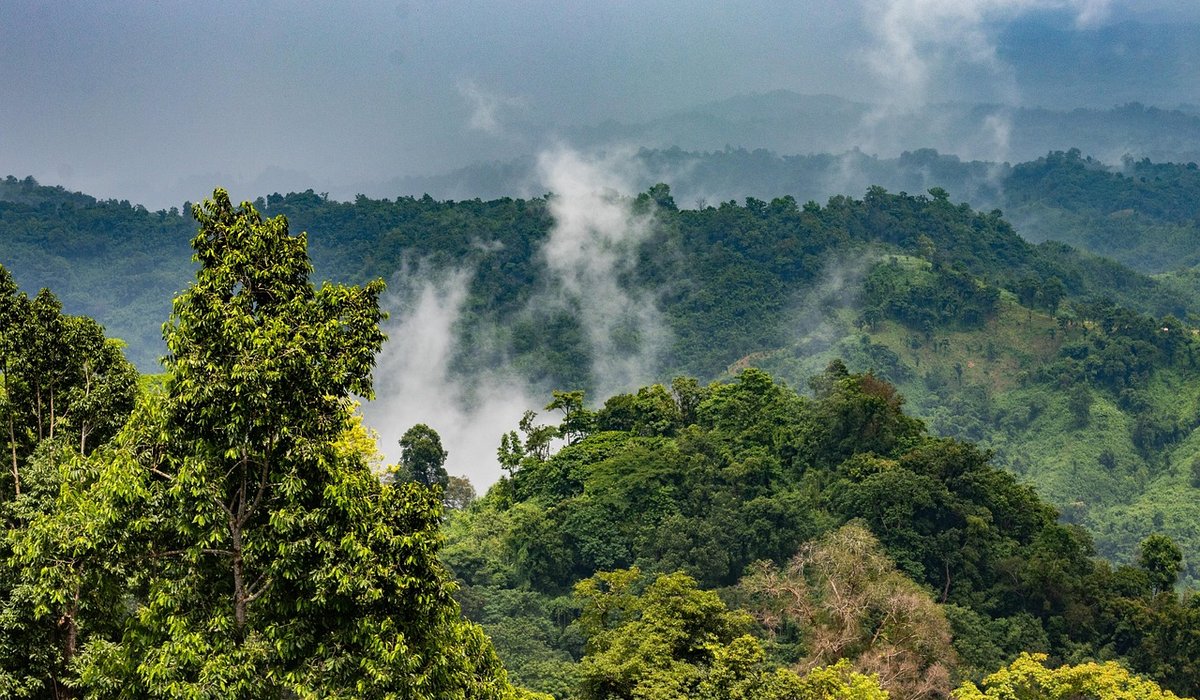
Fell weather rarely makes up its mind. You can set off from the car park in still, mild air, sweat up a steep zigzag, then meet a cold wind on the ridge that turns a sunny afternoon into a shivering one. A single heavy jacket forces you to choose between overheating and freezing. Layering gives you options. The idea is simple: several thin, purposeful layers trap warm air and move moisture away from your skin, and you add or remove them as the day unfolds. On a typical British hill day you might wear all three layers at the summit and carry two in your pack on the descent.
Your base layer sits against your skin, so it has one main job: to wick sweat away before it chills you. Cotton is a poor choice for the fells. It soaks up moisture like a sponge, stays wet, and sucks heat from your body when the wind picks up. Look for merino wool or a synthetic fabric such as polyester. Merino feels soft, resists whiff, and regulates temperature well across a wide range. Synthetics dry faster and cost less. Either way, choose a fit that is snug but not tight, with flat seams that won't rub under a rucksack strap.
For most UK hillwalking, a light or midweight base layer is enough. Save the heavy expedition weights for winter bothies or very cold days. If you run hot, a short-sleeved base layer plus a light long-sleeved top can be more flexible than one thick garment. Pack a spare base layer in a dry bag for multi-day trips or if you know you'll be sweating hard on a long climb.
The mid layer is the insulation you can take off without exposing your skin to the wind. Think fleece, lightweight synthetic insulated jacket, or a thin wool sweater. Fleece is breathable, cheap, and works well while you're moving. A synthetic puffy jacket is warmer for its weight and packs down small, but it can be too hot on a steep ascent unless it has underarm vents or you unzip it. Many hillwalkers carry both: a light fleece for active wear and a synthetic jacket for stops, summits, and lunch breaks.
Look for a mid layer that fits over your base without compressing the loft, and under your shell without bunching. Thumb loops and a dropped hem are small details that make a big difference when the wind bites. Pit zips, if you have them, let you dump heat fast without removing your pack. A good mid layer should feel like a warm hug that you can escape from in seconds.
British fells are famous for rain that arrives sideways and wind that finds every gap. Your shell is the layer that keeps the weather out and lets your other layers do their job. A waterproof and windproof jacket with taped seams and a hydrostatic head of at least 10,000mm is a sensible baseline. Breathable fabrics help, but no fabric breathes as fast as you sweat on a hard climb, so ventilation matters just as much. Pit zips, a two-way front zip, and adjustable cuffs and hem let you fine-tune airflow.
A hood that fits over a hat and moves with your head is essential. Look for a wired peak and a drawcord that cinches without blinding you. For trousers, waterproof over-trousers that zip up the side are a gift when the cloud drops and the path turns to a stream. They don't need to be fancy, but they do need to be in your pack every time, even on a sunny forecast.
Layering is not just about what you wear; it's about how you manage it. Start slightly cool. If you're warm in the car park, you'll be dripping by the first steep section. As you climb, unzip your shell and mid layer, roll up sleeves, and open pit zips. When you stop for a snack, add your synthetic jacket straight away before you cool down. On the summit, put your shell back on even if it isn't raining, because wind chill can drop the effective temperature by ten degrees or more.
Practise this rhythm on short walks so it becomes second nature. The best layering system is the one you actually use, not the one that stays folded in your pack.
Your extremities lose heat fastest. A thin wool or fleece hat, a pair of liner gloves, and a buff can be the difference between a pleasant day and a miserable one. Carry a spare pair of gloves in a dry bag. A lightweight foam sit mat keeps your backside dry and warm during breaks. And a small dry bag for your phone, map, and spare layer protects them from the inevitable drizzle that seeps into every rucksack eventually.
Finally, remember that layering is personal. Two walkers of the same size can need different combinations. Experiment on familiar hills, note what worked, and adjust. The fells will keep testing you, but with a base layer, a mid layer, and a waterproof shell, you'll be ready for whatever the weather decides to throw next.


We are not gonna make spamming
