
Quirky Fell shares practical, down-to-earth guidance on quirky hillwalking and outdoor adventures in the uk fells for readers across the UK.
- 0123456789
- Angle Bd Abdelmoumen & rue soumaya, Résidence
- [email protected]
Quirky Fell shares practical, down-to-earth guidance on quirky hillwalking and outdoor adventures in the uk fells for readers across the UK.
 By Gareth Prosser
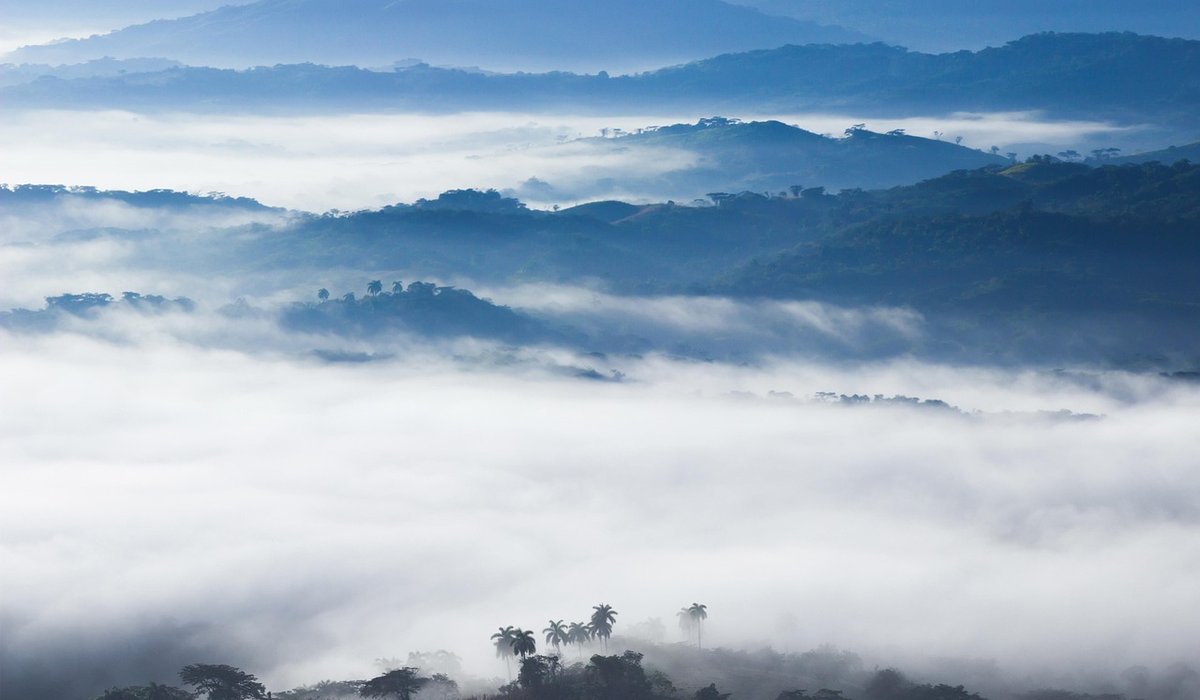
Ask most photographers about the Lake District or the Scottish Highlands and they will talk about golden hour — that brief blaze of colour at sunrise and sunset. It is wonderful when it happens. But the fells rarely cooperate with that fantasy. More often you get grey, damp, drizzly weather that seems to flatten everything into a single wash of nothing.
Here is the secret: that soft, diffuse light is not a problem to endure. It is the very thing that reveals the character of upland scenery. Hard midday sun blasts the landscape into contrast extremes — inky shadows in the gullies, blown-out highlights on the summits, and a sky that refuses to hold any detail. Soft light, by contrast, is gentle across the whole frame. It lets you capture texture: the grain of wet slate, the pleats of eroded peat, the fine woolly detail of grass bent by wind.
Once you accept that the fells are usually at their most photogenic under cloud, your whole approach changes. You stop chasing perfect weather and start working with what Britain actually gives you.
Even on an overcast day, the first hour after dawn is special. The air is still, often holding a faint mist in the valley bottoms, and the light comes in weak and cool. This is the time for quiet, atmospheric images rather than grand, dramatic ones.
A few practical points for a dawn start on the fells:
The reward is a soft, luminous landscape with none of the harshness of afternoon sun. And you will almost certainly have it to yourself.
A flat white sky can feel like a wasted day, but treat it as a giant softbox. The light is even, colours are saturated rather than bleached, and there are no distracting shadows cutting across your composition.
The trick is to remove the sky from the frame entirely, or make it a minor element. Point your lens down. Look for detail in the foreground: a lichen-covered boulder, a line of rushes, a stream cutting through peat hags. Tonal separation between grey rock, dark heather and pale grass becomes your subject instead of light and shadow.
This is also the best weather for photographing water. Long exposures of a beck in spate, or a still tarn reflecting a grey sky, work beautifully without the blown highlights that bright sun creates on wet surfaces. A polarising filter helps cut glare from wet rock and foliage, deepening the greens and browns considerably.
Soft light rewards close attention to composition, because you cannot rely on dramatic illumination to carry the image. Gentle, low angles often work best. Getting your tripod down to ground level brings foreground texture into the frame and gives a sense of the ground rising away from you.
Try these approaches when the light is flat:
Do not be afraid of a slightly hazy, low-contrast frame. That mood is exactly what makes fell photography distinct from alpine or desert work.
You do not need exotic equipment. A sturdy tripod matters more than a fast lens, because soft light usually means slower shutter speeds. A remote release or the two-second timer prevents the blur that comes from jabbing the button.
Expose for the highlights and let the shadows fall where they may — you can lift them later, but blown cloud detail is gone forever. Shoot in raw so you have latitude to recover the subtle tonal range that soft light produces. A microfibre cloth is essential: drizzle, spray and condensation on the front element will ruin more frames than any technical mistake.
The best fell photographs come from returning to the same place in different conditions. A crag you have walked past a dozen times will suddenly arrange itself into something remarkable when the cloud sits at the right height and the rain has stopped just long enough.
So embrace the soft days. Set the alarm, pack the flask, and head out when the forecast looks unpromising. The fells in gentle light are not second best — they are the truest version of the landscape, and the images you bring home will carry far more mood than any sunlit postcard.


We are not gonna make spamming
